
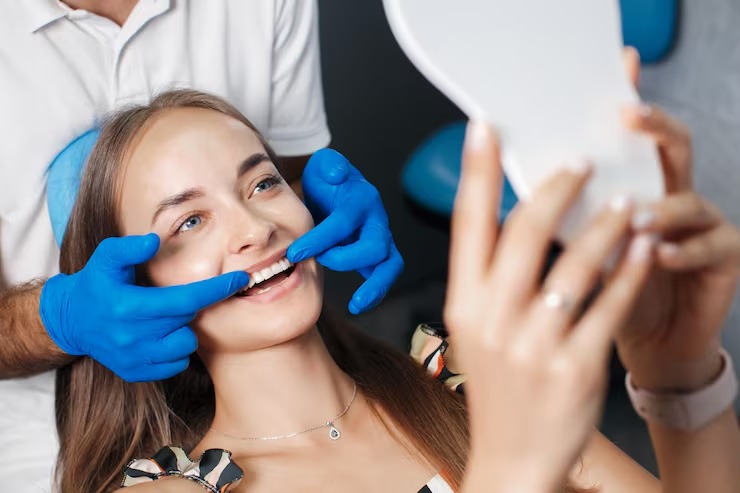
Do your teeth hurt when you drink something hot or cold? If so, you might worry that teeth whitening will make the sensitivity worse. Many people want a whiter smile but feel unsure because of this discomfort. Visiting a dental clinic in Crescent Heights can help you learn safe and gentle ways to whiten your teeth without increasing sensitivity.
Teeth whitening is one of the most popular cosmetic dental treatments today. However, people with sensitive teeth should choose the right method to avoid discomfort. Professional treatments such as teeth whitening in Woodbridge are often designed to brighten teeth while protecting sensitive enamel.
This guide explains simple and gentle ways to whiten your teeth safely.
Why Do Teeth Become Sensitive?
Tooth sensitivity happens when the protective enamel layer becomes thinner. It exposes the inner part of the tooth, which contains tiny nerve endings.
Common causes include:
- Brushing too hard
- Tooth grinding
- Gum recession
- Acidic foods and drinks
- Tooth decay or worn enamel
When enamel becomes weak, hot, cold, or sweet foods can trigger sharp pain.
Understanding the cause helps dentists recommend safe teeth whitening options that protect your teeth.
Can People With Sensitive Teeth Still Whiten Their Teeth?
Yes, many people with sensitive teeth can still whiten their smile. The key is choosing the right treatment and avoiding harsh products.
Dentists often recommend whitening methods that are designed for comfort. These treatments contain lower concentrations of whitening agents and include ingredients that protect the enamel.
People often search for a dentist near Horizon to learn about whitening options that are safe for sensitive teeth.
Safe Teeth Whitening Options for Sensitive Teeth
Whitening treatments vary in results and effectiveness. Some may amplify sensations while others are meant to be milder and gentler.
According to dentists, here are some safe teeth whitening options.
1. Professional In-Clinic Whitening
Dental professionals use controlled whitening systems that protect your gums and enamel.
Benefits include:
- Faster results
- Dentist supervision
- Reduced sensitivity risk
2. Custom Whitening Trays
Custom trays are made to fit your teeth properly.
Advantages:
- Even whitening
- Less product leakage
- Less chance of irritation to your gums
3. Desensitizing Whitening Gel
Some teeth whitening products have ingredients that help reduce sensitivity during the treatment.
These gels can help to:
- Make tooth enamel stronger.
- Protect the tooth nerves.
- Reduce pain or discomfort.
4. Whitening Toothpaste for Sensitive Teeth
These toothpastes gradually remove stains while protecting enamel.
They work best for:
- Mild stains
- Maintaining whitening results
Habits That Help Reduce Sensitivity
Daily habits play an important role in protecting your teeth during whitening treatments.
Helpful habits include:
- Use a soft-bristle toothbrush.
- Brush gently twice daily.
- Avoid very acidic drinks.
- Drink water after meals.
- Use toothpaste designed for sensitive teeth.
Regular visits to a dental clinic near you also help keep enamel healthy and strong.
Foods That Can Stain Teeth
Some foods and drinks can darken teeth over time. Reducing these items can help maintain whitening results.
Common stain-causing foods include:
- Coffee
- Tea
- Red wine
- Dark sodas
- Tomato sauce
- Soy sauce
Limiting these foods can help keep your smile brighter for longer.
Tips for Whitening Teeth Without Pain
People with sensitive teeth can still achieve a brighter smile by following simple steps.
Helpful tips include:
- Start with a sensitive toothpaste two weeks before whitening.
- Avoid extremely cold foods during treatment.
- Use whitening products only as directed.
- Take breaks between whitening sessions.
- Consult a dentist before starting any whitening method.
These steps help reduce discomfort while improving tooth colour.
How Dentists Protect Sensitive Teeth During Whitening
Dental professionals use special techniques to protect teeth and gums during whitening procedures.
These may include:
- Protective gel for gums
- Controlled whitening agents
- Customized treatment plans
- Sensitivity-reducing products
This approach helps patients achieve brighter smiles safely.
Ready for a Brighter, More Confident Smile?
If you want a safe and comfortable way to make your smile brighter without worrying about tooth sensitivity, the friendly team at Crescent Heights Dental Clinic can help. They offer gentle whitening treatments and personalized care to protect your teeth. Book your appointment today and take the next step toward a healthier, brighter smile you can feel confident about.
FAQs
How long does teeth whitening last?
Results often last several months to a few years, depending on oral hygiene habits and diet.
Is whitening toothpaste safe for sensitive teeth?
Yes. Many whitening toothpastes are specially designed for sensitive teeth and work gradually to remove stains.
Can I whiten teeth if I have gum recession?
It depends on the severity of the recession. A dentist can examine your teeth and recommend the safest whitening option.
How often should I whiten my teeth?
Most dentists recommend waiting several months between whitening treatments to protect enamel and avoid sensitivity.