
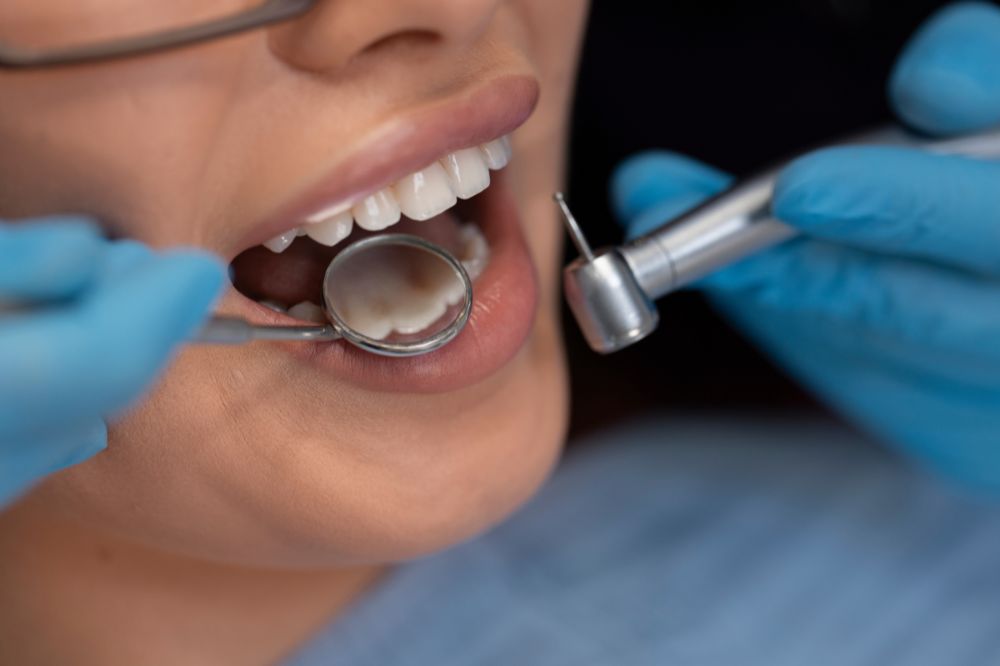
Living with missing teeth will impact your self-confidence and your ability to enjoy your favorite foods.
While traditional dentures and bridges have been the standard for years, modern restorative dentistry offers a more permanent and natural-feeling solution.
If you are looking for a dentist near you to discuss long-term tooth replacement, you will likely find that dental implants are the most recommended option.
Unlike removable appliances, implants are designed to integrate with your body, providing a foundation that mimics the strength and function of a natural tooth root.
What Are The Primary Advantages Of Implants?
The decision to restore your smile is an investment in your future health. When searching for dental implants near you, it is helpful to understand the unique benefits they offer compared to other treatments.
- Bone Preservation – Implants stimulate the jawbone, preventing the bone loss that follows tooth loss.
- Natural Appearance – Custom crowns match the color and shape of your existing teeth.
- Improved Speech – Unlike dentures, implants do not slip or click while you talk.
- Dietary Freedom – You can eat crunchy foods without worrying about your teeth moving.
- Longevity – With proper care, the implant post is intended to last a lifetime.
Why Choose Professional Dental Care?
The success of a restorative procedure depends on the skill of the clinical team and the quality of the technology used. Consulting with a dentist in Crescent Heights ensures that you receive a comprehensive evaluation before the process begins.
This initial phase includes 3D imaging and a detailed assessment of your oral health to determine whether you are a good candidate for surgery. A local professional can provide the personalized attention required to monitor your progress throughout the months of healing.
How Do Dental Implants Work To Restore Function?
To understand how dental implants work, you have to look beneath the surface of the gums. The system consists of three distinct parts: the titanium implant post, the abutment, and the prosthetic crown. The titanium post is biocompatible, meaning the body accepts it.
Over time, a process called osseointegration occurs, where the bone grows around the post. This creates a rock-solid anchor that can withstand the intense pressure of biting and chewing.
Are Dental Implants For Missing Teeth Right For You?
While they are highly effective, dental implants for missing teeth require specific conditions to be successful. A patient must have adequate bone density to support the post and healthy gum tissue.
If bone loss has occurred, preliminary treatments like bone grafting may be necessary. Candidates should be in good general health, as conditions like uncontrolled diabetes can slow the healing process.
Your dental provider will walk you through these factors to determine the best path for your needs.
What Does The Step-By-Step Process Look Like?
The journey to a complete smile is a multi-stage process:
- Initial Consultation – Detailed X-rays and impressions are taken to plan the placement.
- Surgical Placement – The titanium post is inserted into the jawbone under local anesthesia.
- Healing Phase – This lasts three to six months, allowing the bone to fuse with the implant.
- Abutment Placement – A small connector is attached to the post to hold the new tooth.
- Final Restoration – A custom-crafted porcelain crown is permanently secured.
How Should You Care For Your Implants Long-Term?
Maintaining your investment is straightforward and very similar to caring for natural teeth. While the implant itself cannot develop a cavity, the surrounding gums must remain healthy.
- Consistent Brushing – Use a soft-bristled brush twice daily to remove plaque.
- Daily Flossing – Use specialized implant floss to clean around the abutment.
- Regular Check-ups – Visit your dental clinic every six months for professional cleanings.
- Avoid Smoking – Tobacco use significantly increases the risk of implant complications.
Implants vs. Traditional Dentures
| Feature | Dental Implants | Traditional Dentures |
| Stability | Permanent and fixed | Removable and may slip |
| Bone Health | Prevents bone resorption | Can lead to bone loss |
| Comfort | Feels like a natural tooth | Can cause gum irritation |
| Maintenance | Normal brushing/flossing | Daily removal and soaking |
Reclaiming Your Smile and Confidence
Choosing to restore your missing teeth is a transformative decision. By choosing a permanent tooth replacement option, you can protect your jawbone and ensure your smile feels functional and lasts longer.
Modern dentistry has made this process more accessible and comfortable than ever before.
At Crescent Heights Dental Clinic, we are committed to providing the highest standard of restorative care. Our team is here to guide you through every step of the implant process. Everyone deserves a smile that functions perfectly and looks beautiful.
If you are ready to see if you are a candidate, contact our clinic today to schedule your consultation.
Getting here is simple — just follow us on Google Maps for the best route. 📍
FAQs
Is the dental implant procedure painful?
Most patients experience minimal discomfort from local anesthesia and report recovery similar to that after a simple extraction.
How long do dental implants usually last?
The titanium post is designed as a permanent solution, while the crown may need to be replaced every 10 to 15 years.
Can I get an implant if I have been missing a tooth for years?
Yes, but if the jawbone has thinned, you may first require a bone graft to create a sturdy base for the implant.
How do I clean under the implant crown?
You can use a water flosser or specialized thick floss designed for implants to clear debris from under the edges gently.