
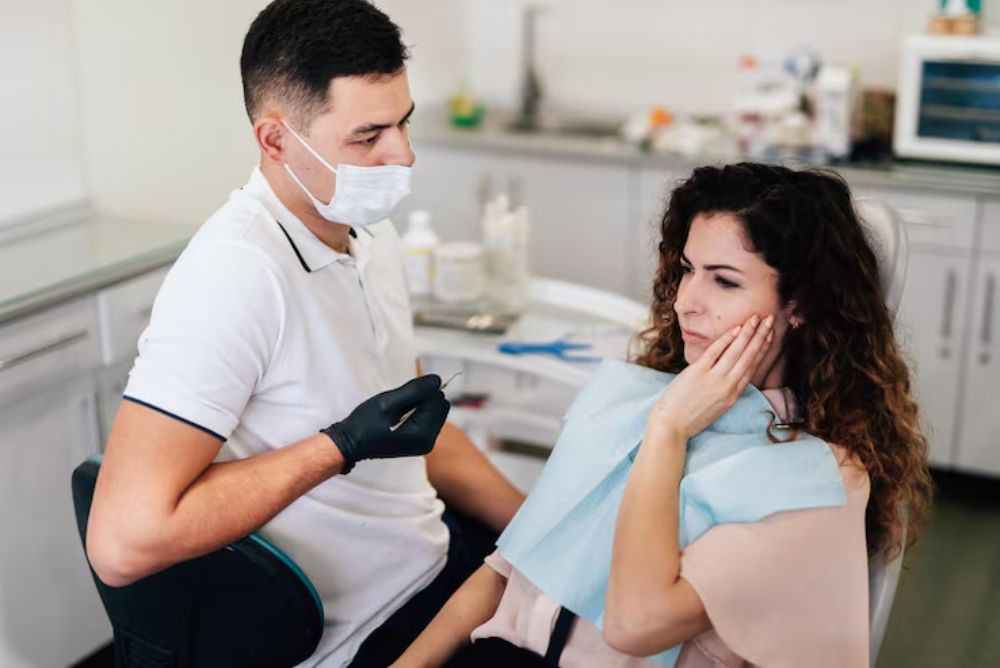
A cracked tooth at night is painful, stressful, and unexpected. You cannot call your dentist at 2 AM and wait calmly. You need to know what to do right now. A dental clinic in Calgary may have emergency contact options, but until you can reach one, there are steps you can take at home to manage the situation safely.
Stay calm. A cracked tooth is serious, but it is treatable.
First—Figure Out How Bad It Is
Not all cracks are the same. Some are minor surface cracks that cause sensitivity. Others go deep into the tooth and cause sharp, throbbing pain.
Ask yourself:
- Is there sharp or constant pain?
- Is there bleeding from the gum around the tooth?
- Has a piece of the tooth broken off completely?
- Is the pain getting worse when you bite down?
If you are experiencing severe pain, swelling, or bleeding, you need emergency dentistry in Calgary as soon as possible, even if it means going first thing in the morning or finding an after-hours dental service.
What to Do Right Now—Step by Step
Step 1—Rinse Your Mouth Gently
Use warm salt water. Mix half a teaspoon of salt into a glass of warm water and rinse slowly. This cleans the area and reduces the risk of infection. Do not rinse too hard. Gentleness is key.
Step 2—Control Any Bleeding
If there is bleeding, place a clean piece of gauze or a damp tea bag against the area. Apply gentle pressure for 10 to 15 minutes. Do not press too hard on the cracked tooth itself.
Step 3 — Reduce Swelling and Pain
Apply a cold pack to the outside of your cheek. Use it for 20 minutes on and 20 minutes off. This reduces swelling and helps numb the area slightly.
For pain relief, take an over-the-counter painkiller like ibuprofen or acetaminophen. Follow the dosage instructions on the packaging. Do not place aspirin directly on the tooth or gum—this can cause irritation.
Step 4—Protect the Tooth
If a piece of the tooth has broken off, save it if you can. Place it in a small container with milk or clean water. Your dentist may be able to use it.
If the broken edge feels sharp, you can cover it temporarily with dental wax or sugar-free chewing gum. This protects your tongue and cheek from cuts.
Step 5—Do Not Make It Worse
- Do not chew on the side of the cracked tooth
- Avoid very hot or very cold foods and drinks
- Do not poke the tooth with your finger or tongue
- Do not try to fix it yourself with household glue or other materials
How to Relieve Cracked Tooth Pain Through the Night
If you are wondering how to relieve cracked tooth pain while waiting for morning, these tips can help:
- Keep your head elevated when lying down—this reduces blood pressure to the area and can ease throbbing
- Continue using the cold pack in intervals
- Take pain relief medication as directed
- Avoid eating or drinking anything that triggers pain
- Breathe steadily and try to rest—stress increases pain perception
Dentists understand that dental emergencies do not follow a schedule. Reaching out first thing in the morning gives you access to professional care quickly.
Why You Should Not Wait Too Long
A cracked tooth does not heal on its own. In fact, it gets worse without treatment.
Here is what can happen if you delay care:
- The crack can deepen and reach the nerve
- Bacteria can enter the crack and cause infection
- The tooth may eventually need to be removed if left too long
- Pain will increase, not decrease, over time
The sooner you see a dentist, the more treatment options are available to you. Early care often means simpler, less invasive treatment.
When the Morning Comes—Call Right Away
As soon as dental clinics open, call and explain that you have a cracked tooth and are in pain. Most dental offices prioritize emergency cases. Finding a dental clinic near you that offers same-day emergency appointments can make a real difference in your comfort and recovery.
Bring the broken tooth fragment if you have it. Tell the dentist when the crack happened, how much pain you are in, and what steps you took overnight.
You Got Through the Night—Now Get the Right Care
Managing a cracked tooth at home is a temporary measure. It buys you time until you can see a professional. The real solution comes from proper dental treatment—which may include bonding, a crown, a root canal, or, in severe cases, an extraction.
Do not ignore it once the pain eases. A crack that stops hurting has not healed. It may have simply progressed to a stage where the nerve is no longer responding.
Help Is Closer Than You Think
A cracked tooth at night is frightening, but you now know exactly what to do. Stay calm, manage the pain, protect the tooth, and get to a dentist as early as possible.
At Crescent Heights Dental Clinic, the team is experienced in handling dental emergencies with care, speed, and compassion. Do not wait for the pain to become unbearable, reach out to us first thing and get the urgent care your tooth needs.
Frequently Asked Questions
Q1. Can my cracked tooth fix itself overnight?
No. Teeth are not able to repair themselves. Your cracked tooth will remain either as it is or begin to worsen if it is not treated by a dentist.
Q2. Is a cracked tooth always visible?
Not always. Some cracks are too small to see but still cause pain, especially when biting or exposed to temperature changes.
Q3. What if the pain suddenly stops, does that mean it is better?
No. Sudden pain relief can mean the nerve inside the tooth has been damaged. You still need to see a dentist promptly.
Q4. Can I eat after cracking a tooth?
Avoid eating on the side of the cracked tooth. Stick to soft foods and avoid anything very hot, cold, hard, or chewy until you see your dentist.