
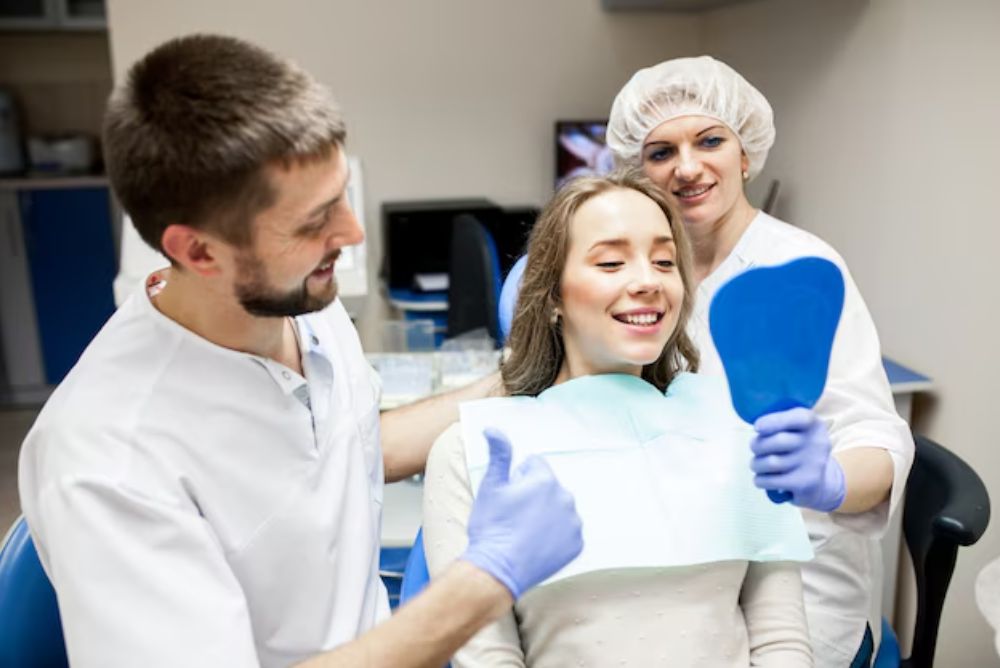
Have you recently had a dental crown placed, or are you getting ready for one? A crown can help restore a tooth weakened by decay, cracks, or large fillings. Dental Crowns in Calgary cover the damaged tooth to restore its shape, strength, and function. Proper care after treatment can also help keep the tooth comfortable and the crown in good condition.
After getting a crown, you may wonder: Is there anything I should avoid after getting a crown?. A few simple steps can help protect your new crown. Avoid hard or sticky foods at first, and do not use your teeth to bite pens or open packages. These habits can put extra pressure on the crown and the tooth underneath.
What Happens During Crown Treatment?
Getting a crown usually involves preparing the tooth and taking an impression or digital scan. A temporary crown may be placed while the permanent one is being made. Once ready, the final crown is checked for a good fit and placed on the tooth.
The treatment may vary based on the condition of the tooth. Following the care instructions provided after dental crowns in Calgary treatment can help protect the restoration while the mouth adjusts.
What Should You Avoid After Getting a Crown?
One of the most important things to remember is to protect the crown while it settles into normal use. Avoid these habits, especially during the first few days:
- Do not chew until the numbness has completely worn off.
- Avoid very hard or sticky foods if the crown feels sensitive.
- Do not use the crowned tooth to bite pens, fingernails, or other objects.
- Avoid chewing ice or other hard items.
- Do not ignore pain or discomfort that continues or becomes worse.
- Avoid pulling or lifting the temporary crown with your tongue or fingers.
These precautions can help reduce unnecessary pressure on the new restoration.
What Causes Dental Crowns to Fail?
Several factors can affect how well a crown performs over time. Poor oral hygiene can allow decay to develop around the edge of the crown, while heavy grinding or biting on hard objects may damage the restoration.
Other possible causes include:
- A crown that does not fit properly.
- Decay developing around the crowned tooth.
- A crack in the natural tooth beneath the crown.
- Strong or repeated pressure from teeth grinding.
- Poor cleaning around the gumline.
- Injury or an accident affecting the tooth.
A crown does not make the natural tooth immune to decay. Regular brushing, cleaning between the teeth, and dental checkups remain important.
How Can You Protect Your Crown?
Good daily care can help keep the crown and the natural tooth underneath it in good condition.
Helpful habits include:
- Brush twice a day with fluoride toothpaste.
- Clean carefully around the crown and gumline.
- Floss or clean between teeth every day.
- Attend regular dental examinations.
- Wear a recommended night guard if teeth grinding is a concern.
- Follow any personalised care instructions.
A dentist in Calgary can also check the crown during routine visits and look for signs of wear, damage, or changes around the tooth.
What Should You Do If a Crown Feels Uncomfortable?
Some mild sensitivity may happen after getting a crown, especially with hot or cold foods and drinks. This often gets better as the tooth adjusts.
Contact a dentist near you if:
- Pain continues or gets worse.
- The crown feels loose.
- Your bite feels uncomfortable.
- The gum around the crown swells.
- The crown cracks, chips, or falls out.
Do not try to fix or put the crown back yourself. A dental professional can check the problem and suggest the right treatment.
How Can You Avoid Common Crown Problems?
A few simple habits can help protect your crown. Care for it like a natural tooth and avoid habits that put extra pressure on it.
Avoid:
- Chewing ice.
- Biting hard objects.
- Using your teeth to open packages.
- Ignoring changes in your bite.
- Missing regular dental checkups.
If your crown feels different, contact your dentist early to help prevent the problem from getting worse.
Take Care of Your New Crown!
When properly fitted and cared for, a dental crown can provide long-lasting support. Stay away from hard items, bad habits, and delaying dental visits to help protect the restoration. Focusing on changes in comfort, bite, and stability of the crown are other concerns to pick up early.
Book an appointment with Crescent Heights Dental Clinic to learn more about caring for your crown and keeping your restored smile healthy.
FAQs
How long should I avoid sticky foods after getting a crown?
Avoid sticky foods while your crown is new, especially if you have a temporary crown. Follow your dentist’s advice.
Can chewing ice damage a dental crown?
Yes. Chewing ice can put pressure on the crown and may cause damage or cracks.
What to do if the crown feels loose?
Try not to chew on that side; contact your dentist. A loose crown should be examined.
What is the long-term maintenance of a crown?
The colours and patterns in a tooth morpher are similar to the colours and patterns in a real tooth.