
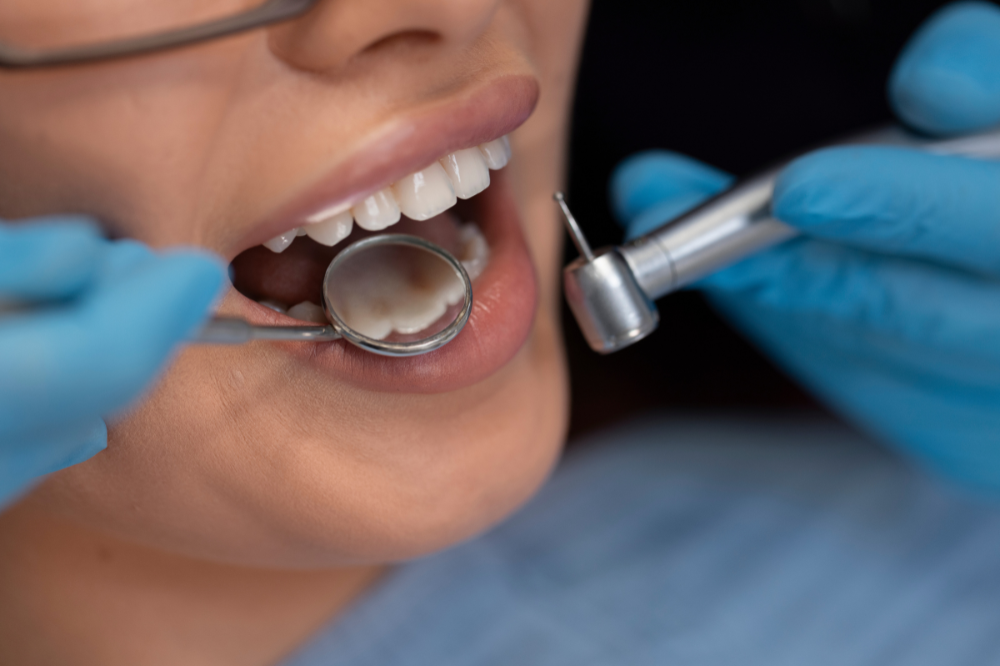
Indeed, a dental crown can trap food particles around it. This usually takes place in the narrow gaps between the crown and your natural teeth or along the gum line. If dental crowns near you are properly shaped and well-fitting, they should be able to keep out the majority of food. However, over time, either your mouth can change, or your crown can change in a way that allows little spaces to form where debris can collect.
Getting help from a dentist in Crescent Heights can help determine if the gap is a simple cleaning issue or if the crown needs a minor adjustment to close that space.
Why does food get trapped near a crown?
When you have a restoration, your mouth treats it like a natural tooth. However, if the fit is not quite right, you may experience food impaction around crown areas, which can feel uncomfortable or even painful. This often happens because the contact point between the new crown and the tooth next to it is too loose.
Sometimes, the gums around the tooth may shrink back slightly as you age. This creates a small “pocket” where seeds, meat fibres, or bread can settle.
Common reasons for food sticking to dental work
There are several reasons why your dental work might be acting like a food magnet. Understanding these can help you explain the problem more clearly to a professional.
| Reason | What is happening? | The Result |
| Loose Contacts | The gap between teeth is too wide. | Food slides right into the gap. |
| Gum Recession | Gums pull away from the crown edge. | A shelf is created that catches debris. |
| Crown Damage | The surface of the crown gets chipped. | Rough spots grab onto sticky foods. |
| Shifting Teeth | Your natural teeth move over time. | Original tight fits become loose. |
If you notice that you are reaching for floss every single time you eat, it might be time to look for a replacement. A crown that fits correctly should feel just like a natural tooth and should not require extra effort to keep clean during a normal meal.
What should you do if food is stuck?
You should never use sharp metal objects or toothpicks to force food out from under a crown. This can damage the seal of the crown or hurt your sensitive gum tissue. Instead, use a gentle stream of water from a water flosser or high-quality dental floss.
If you find that food is constantly getting caught in the same spot, searching for a dentist near you is the best next step. A quick exam can reveal if the cement is washing away or if the crown has moved. Ignoring trapped food can lead to bad breath, gum inflammation, or even a cavity forming underneath the expensive dental work.
How to prevent food buildup around your crown
Prevention is mostly about your daily routine and the quality of the dental work. When a crown is first placed, it should “snap” when floss passes through the sides. If it feels too easy to floss, the gap is likely too big.
- Use a Water Flosser: These are excellent for flushing out debris from under the edges of a crown.
- Interdental Brushes: These tiny brushes fit into the gaps between teeth better than standard brushes.
- Regular Cleanings: Professionals can remove hardened plaque that you cannot reach at home.
- Check Your Bite: Sometimes a crown that is too “high” can cause teeth to shift, creating new gaps.
Signs that your crown needs professional attention
It is normal for a tiny bit of food to get stuck occasionally, just like with natural teeth. However, if you experience any of the following, it is not just a food issue:
- Constant Pressure: A feeling of fullness between the teeth.
- Bleeding Gums: Gums that bleed only around the crown when you brush.
- Bad Taste: A persistent sour or “off” taste near the tooth.
- Sensitivity: Pain when drinking cold or hot liquids.
Keeping the area clean is the first line of defence. If the crown was placed many years ago, the material might be wearing down, or the shape may no longer match your changing bite.
Keeping Your Smile Seamless and Secure
A healthy smile should be easy to maintain. When food starts getting stuck where it shouldn’t, it is usually your body’s way of saying something has changed. Keeping the area clean and visiting a professional for a quick check-up can prevent small gaps from turning into bigger dental problems.
At Crescent Heights Dental Clinic, we focus on ensuring your dental work fits comfortably and functions perfectly. Our team is dedicated to providing a supportive environment where your comfort is the top priority.
If you are noticing issues with your dental work or need a routine check, we are here to help you get back to eating and smiling with total confidence.
Frequently Asked Questions
Can food getting stuck cause a crown to fall off?
While the food itself won’t pull the crown off, the bacteria from the food can cause decay. If a cavity forms under the crown, the “glue” holding it on will fail, and the crown may eventually come loose.
Is it normal to feel a gap with my tongue?
You may feel a slight edge where the crown meets the gum, but you should not feel a deep hole or a wide space between the teeth. If the gap feels large enough for your tongue to notice, it is likely large enough to trap food.
Does it mean my crown is broken?
Not necessarily. It usually means the “contact point” between the crown and the neighbouring tooth is not tight enough. The crown might be perfectly intact, but it needs to be reshaped or replaced to fit better.
Can I use a toothpick to clean around my crown?
It is best to steer clear of wooden toothpicks as they either splinter or push debris deeper into the gum pocket. Using soft dental picks or waxed floss will be much safer for your porcelain and for your gums.